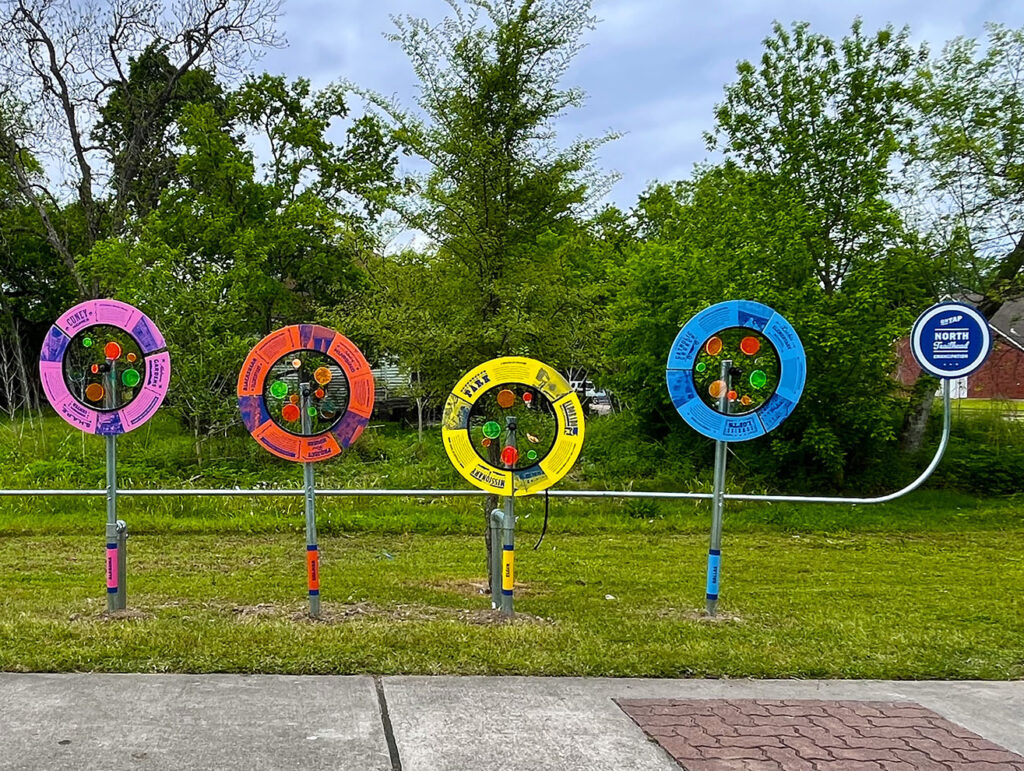
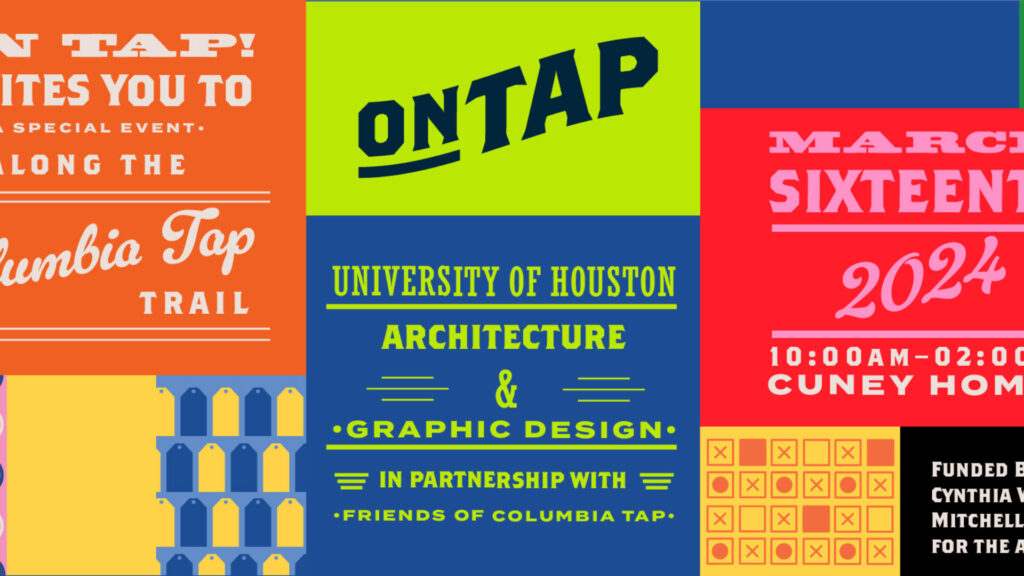
The Columbia Tap Trail, a disused railroad, connects three historic Houston neighborhoods: East Downtown, Third Ward, and MacGregor. This identity system reinforces the original railroad’s industrialized past while also highlighting the individual personality of each area.
Role: Graphic Design / Signage
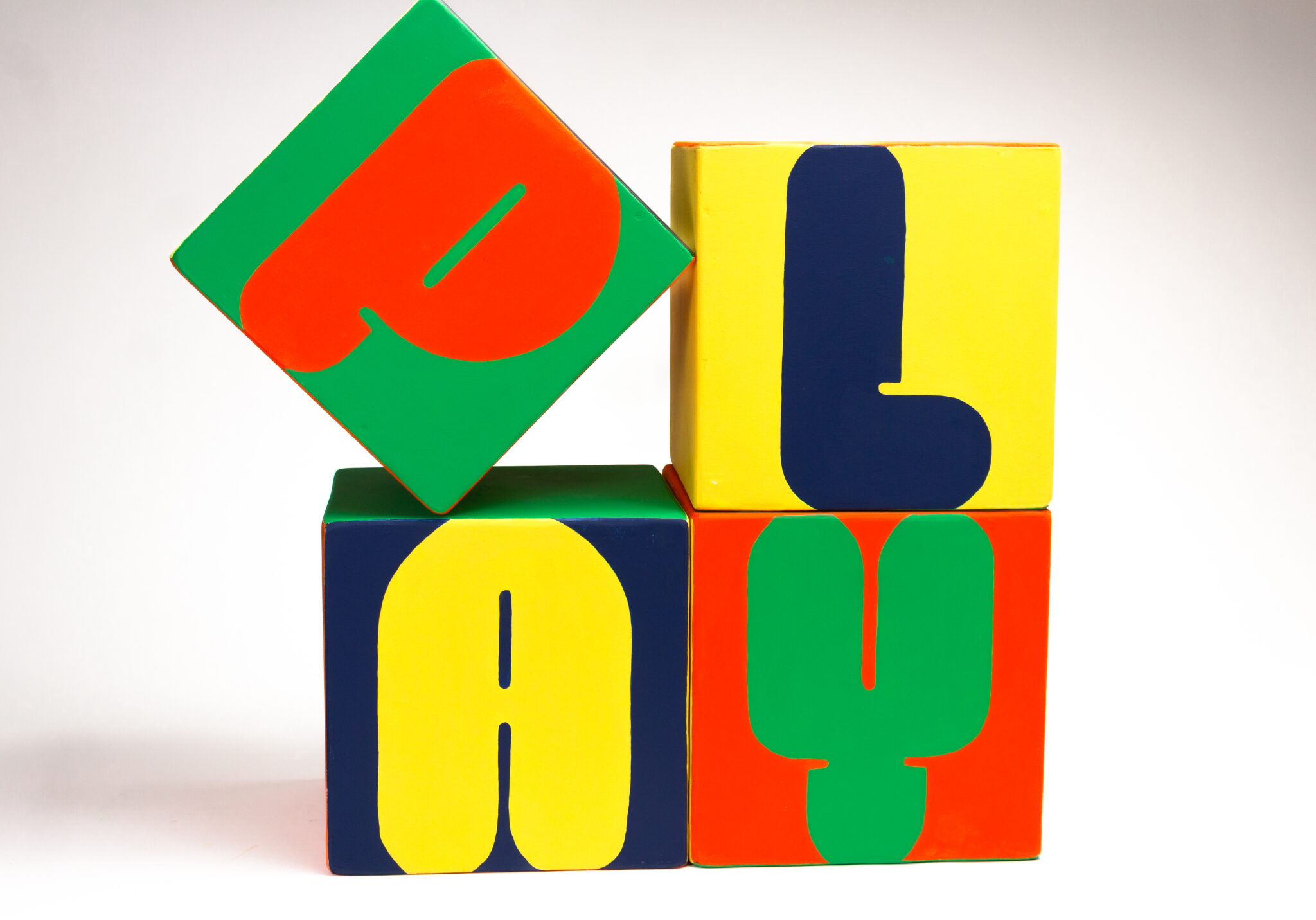
Play
On Tap
On Tap was a community-engaged, interdisciplinary collaboration between students and faculty from the University of Houston’s Kathrine G. McGovern College of the Arts and the Gerald D. Hines College of Architecture and Design, working alongside community organizations and stakeholders in Houston’s Third Ward and East End.
The group project focused on the Columbia Tap Trail, a historic rail corridor running from East Downtown through the Third Ward to State Highway 288, where it connects to the Brays Bayou Greenway. This corridor represents a significant cultural and historical asset with the potential to strengthen neighborhood connectivity while supporting well-being and active living.
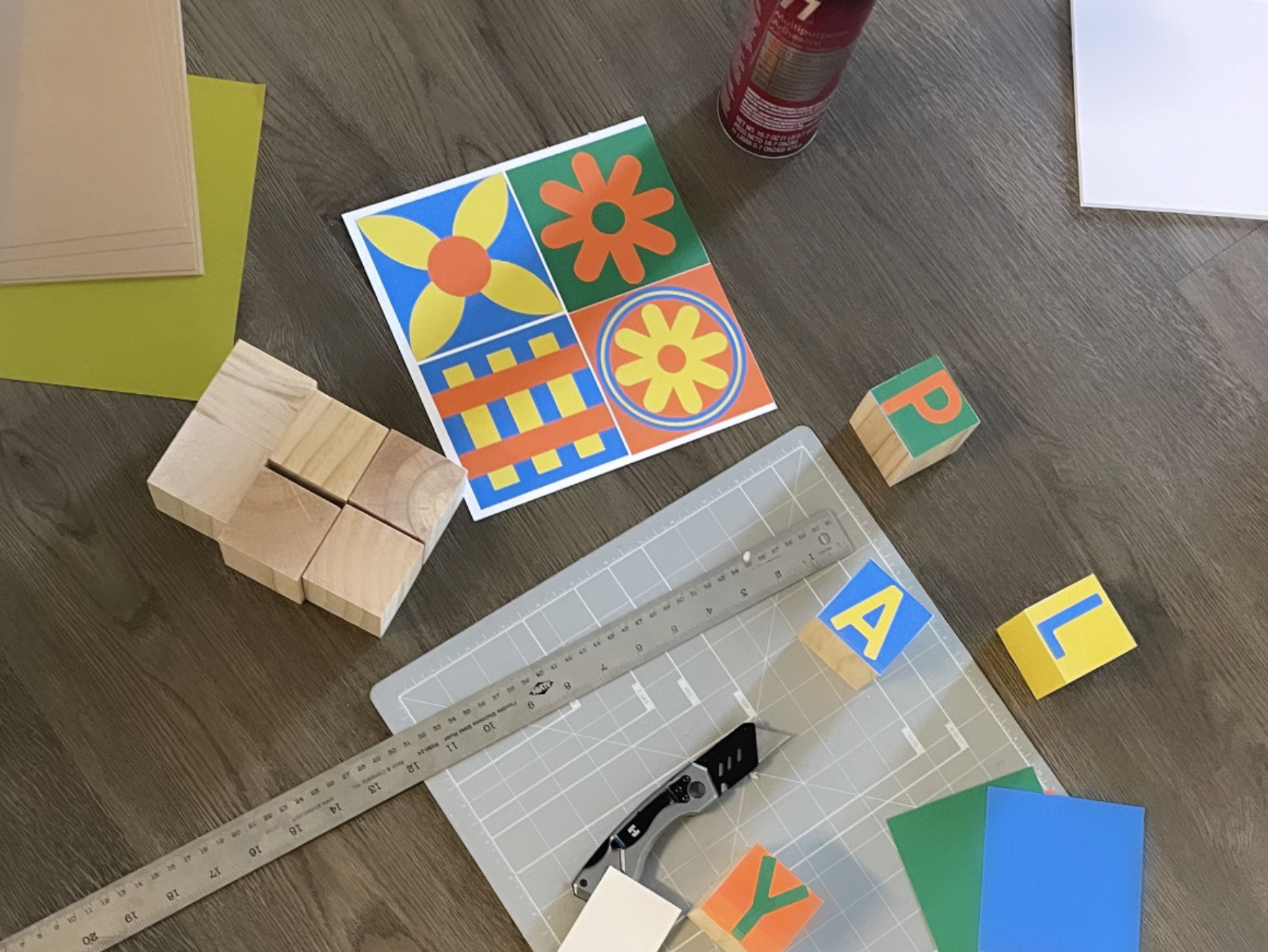
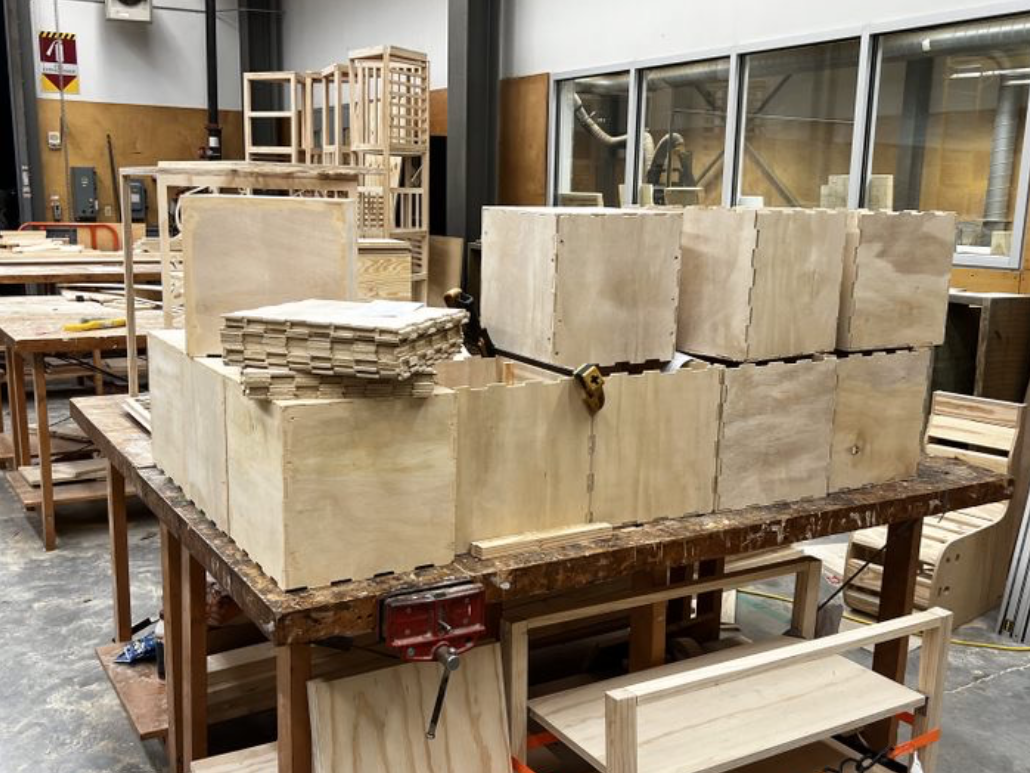
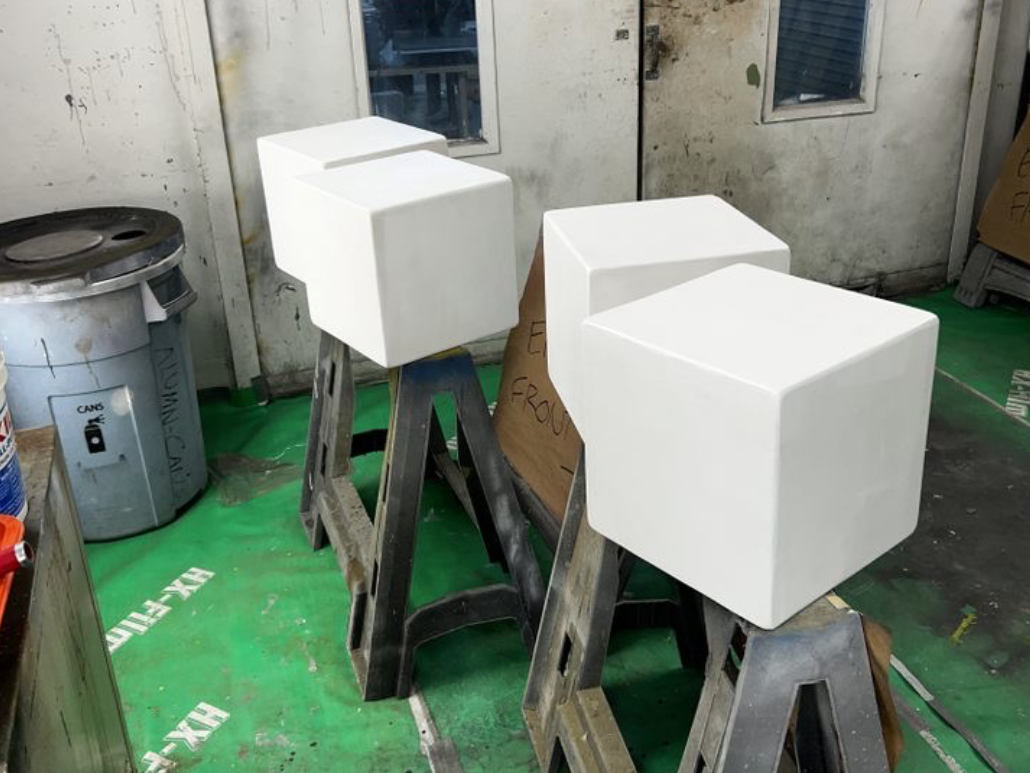
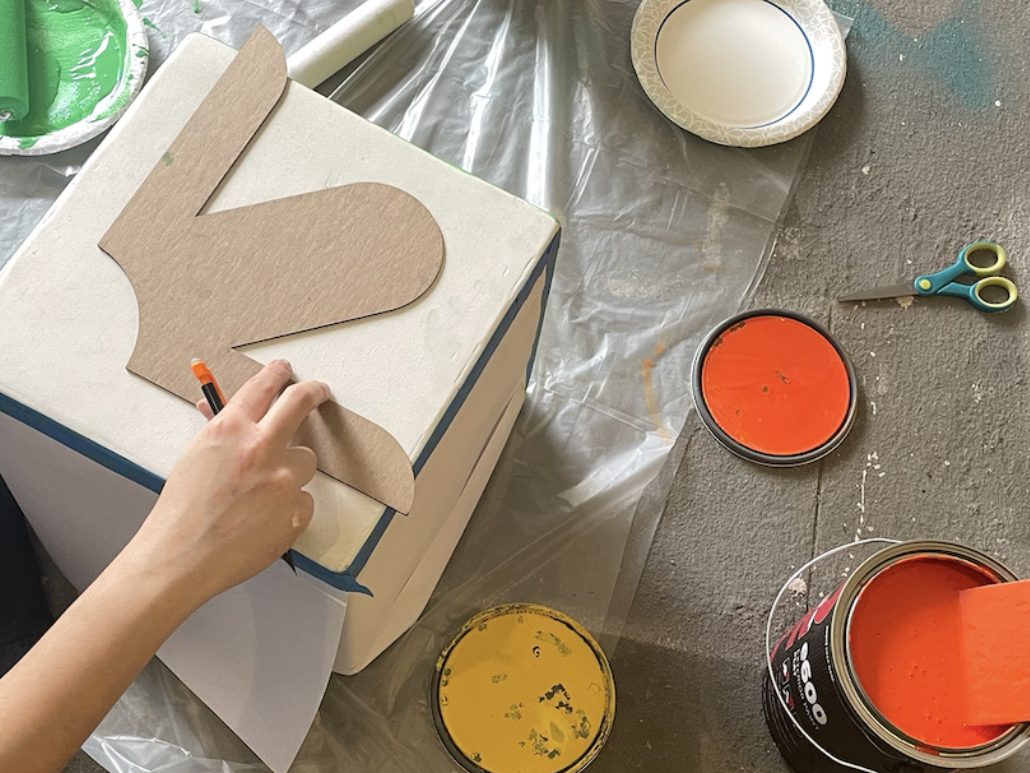
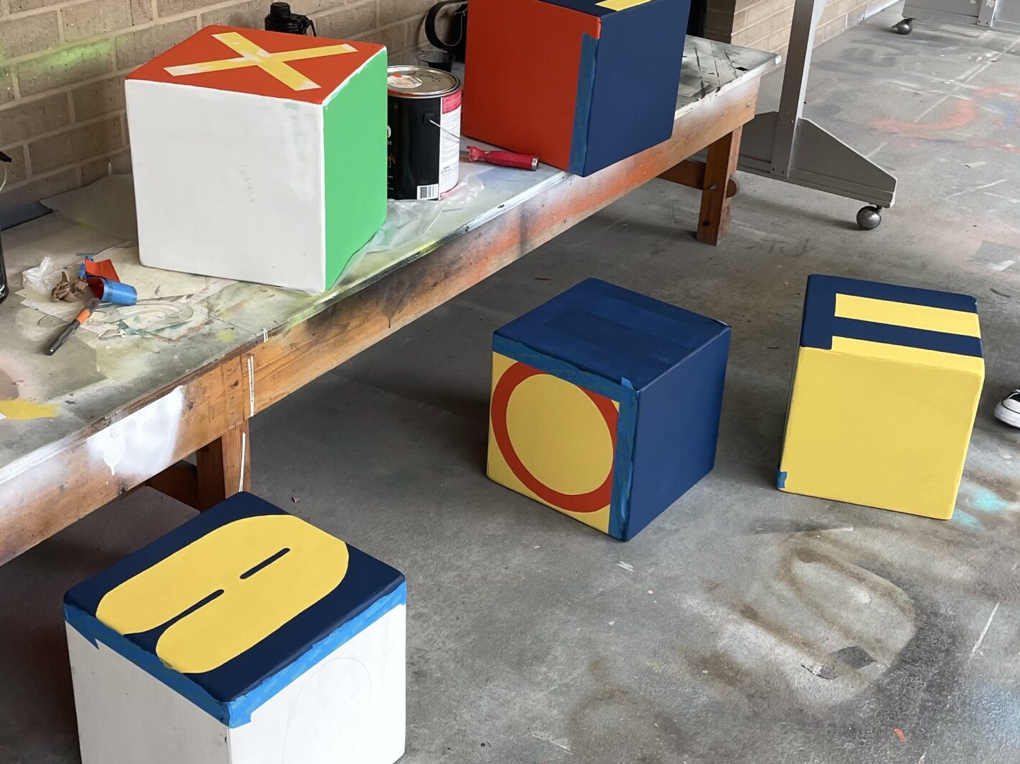
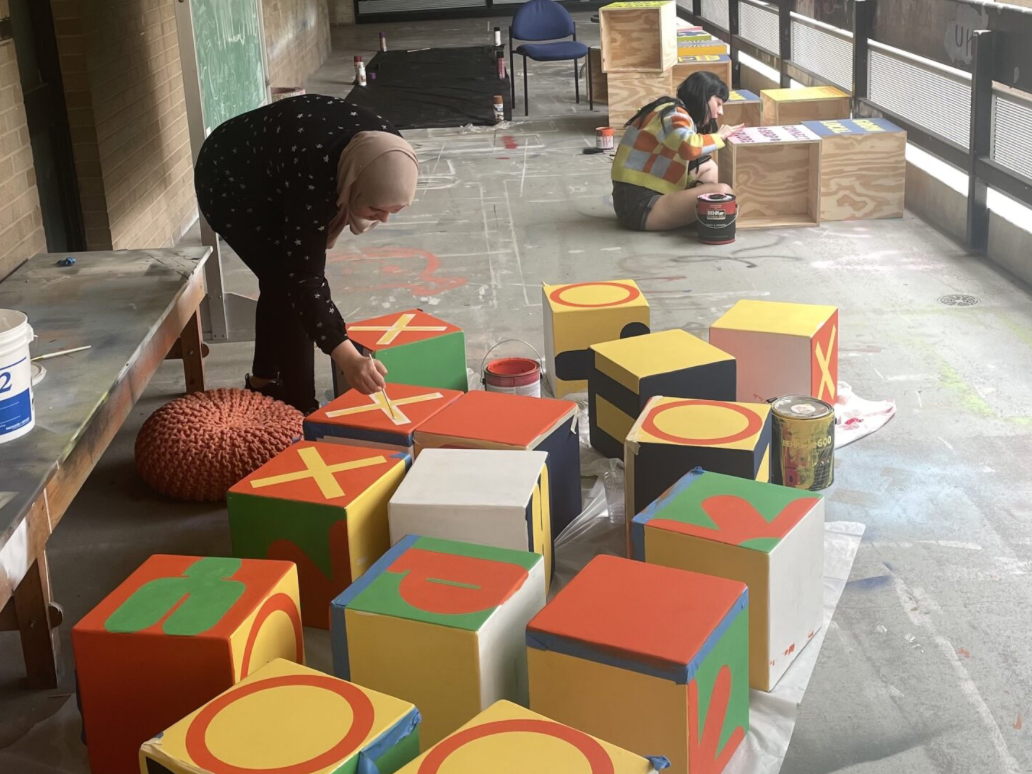
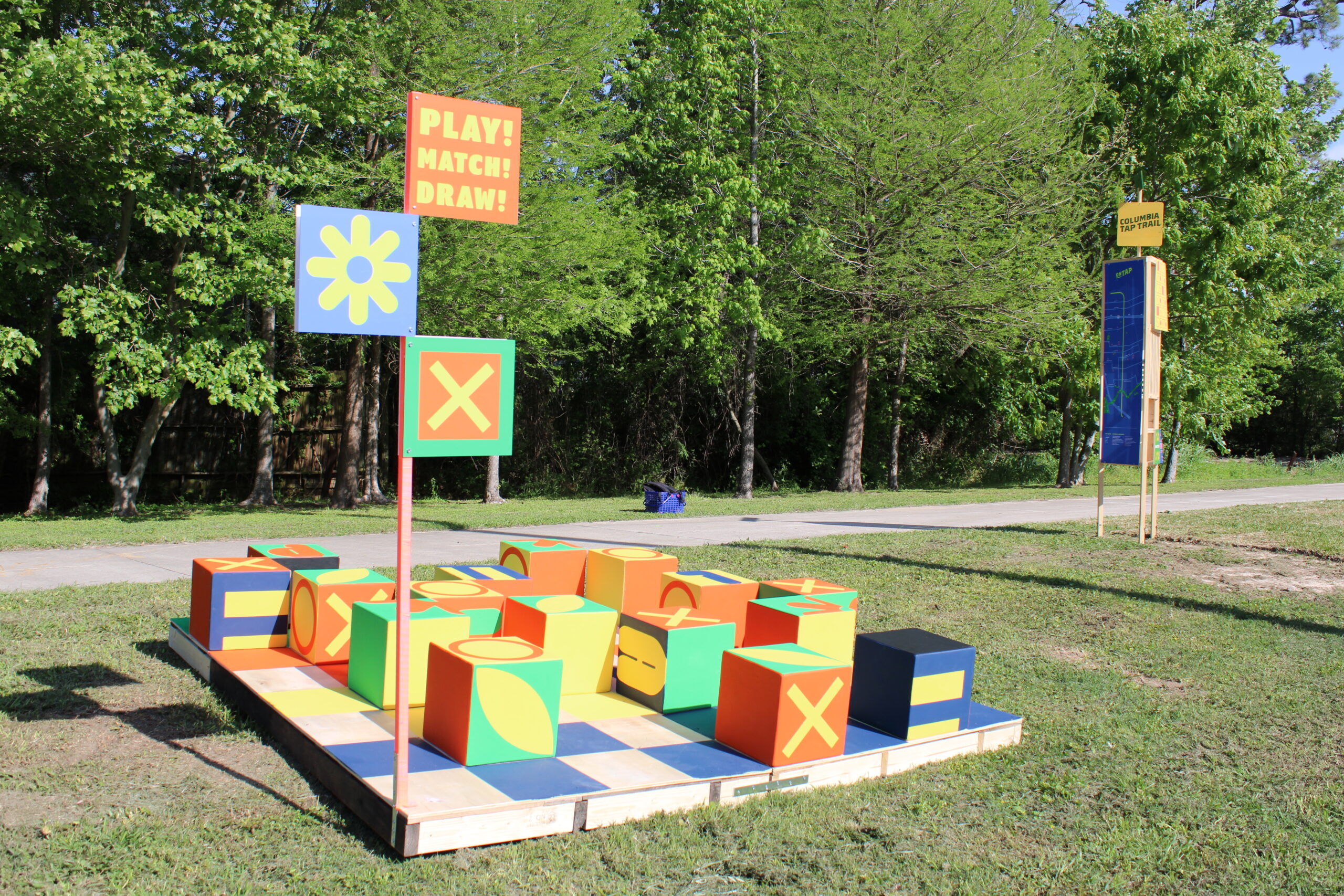
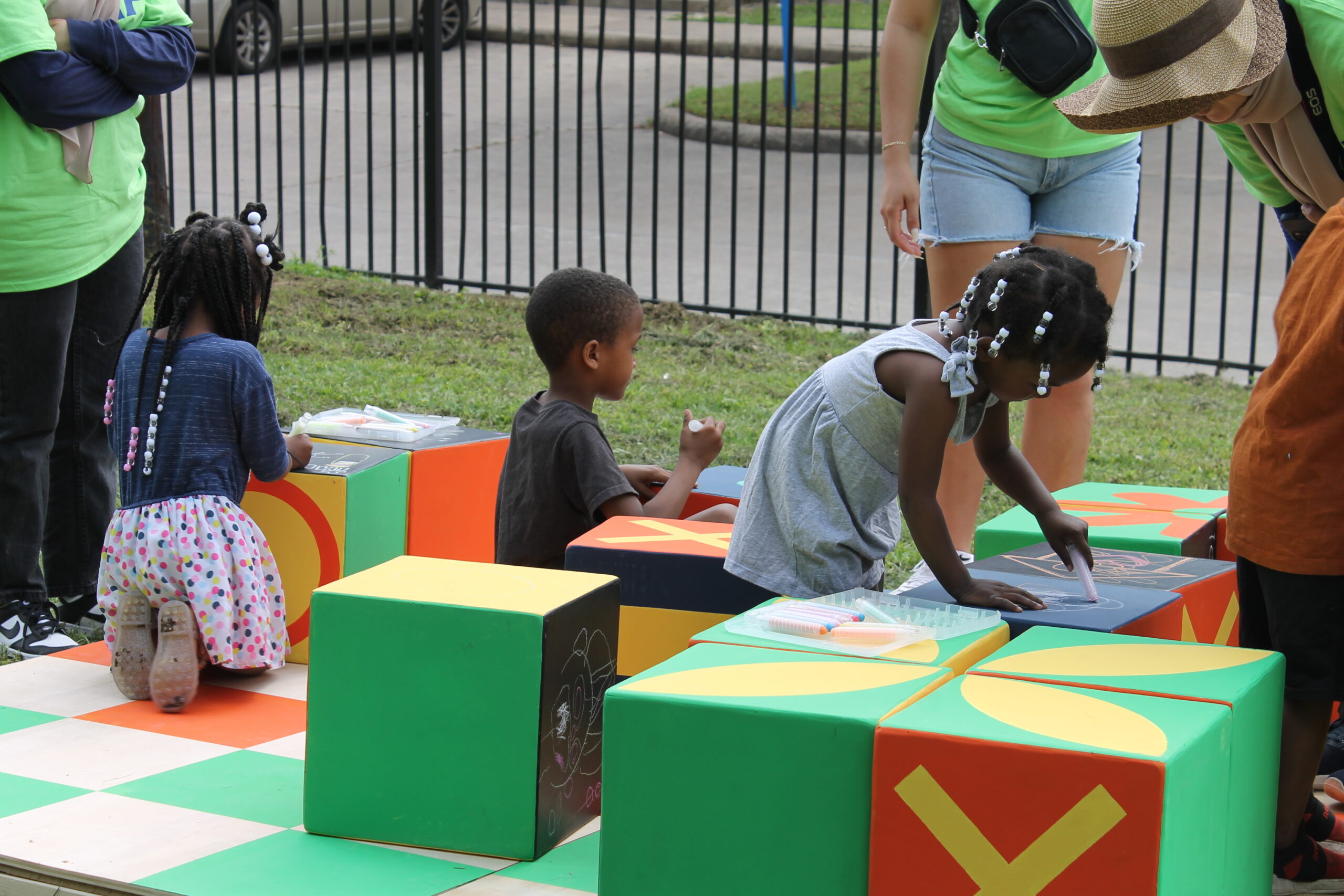
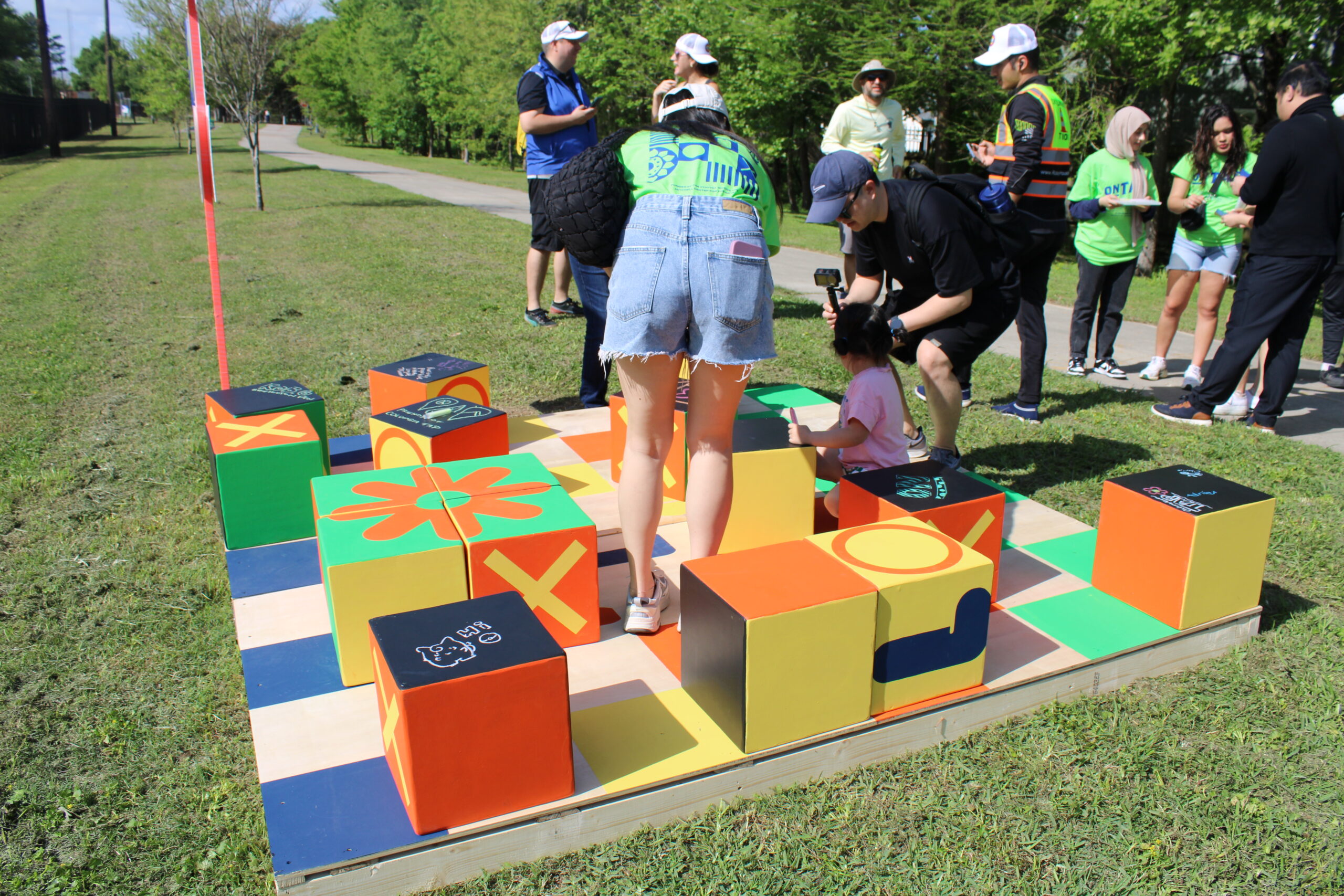
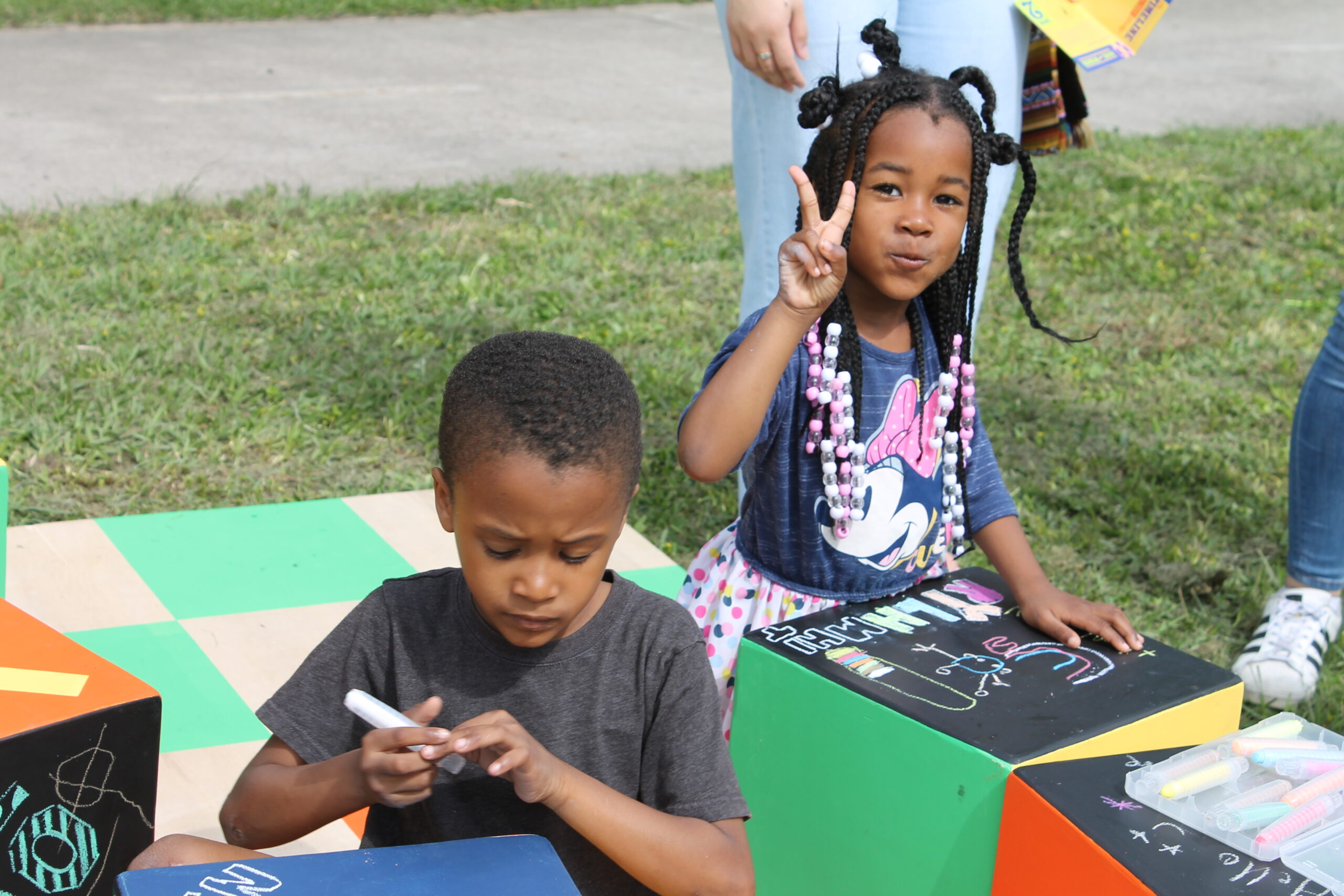
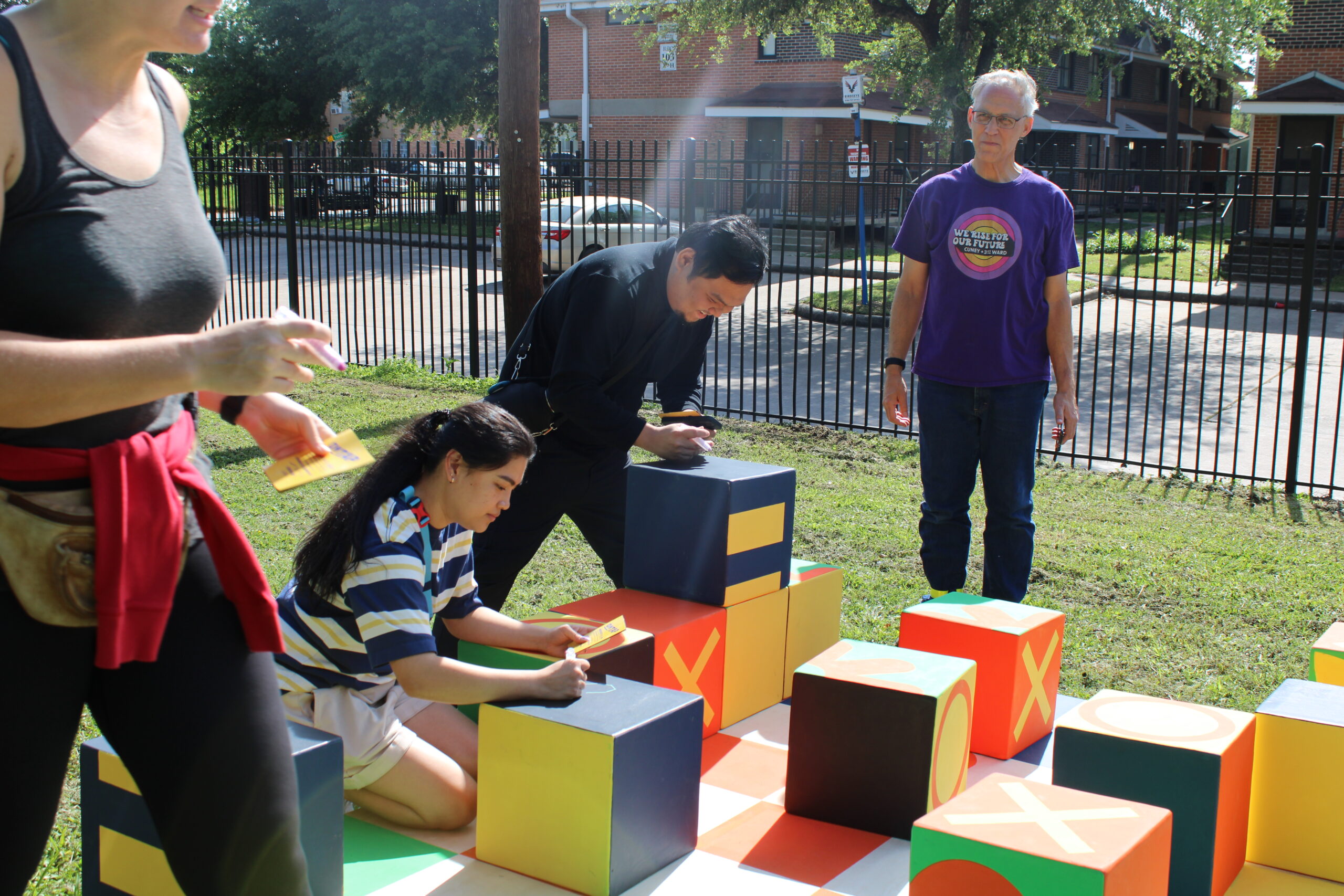
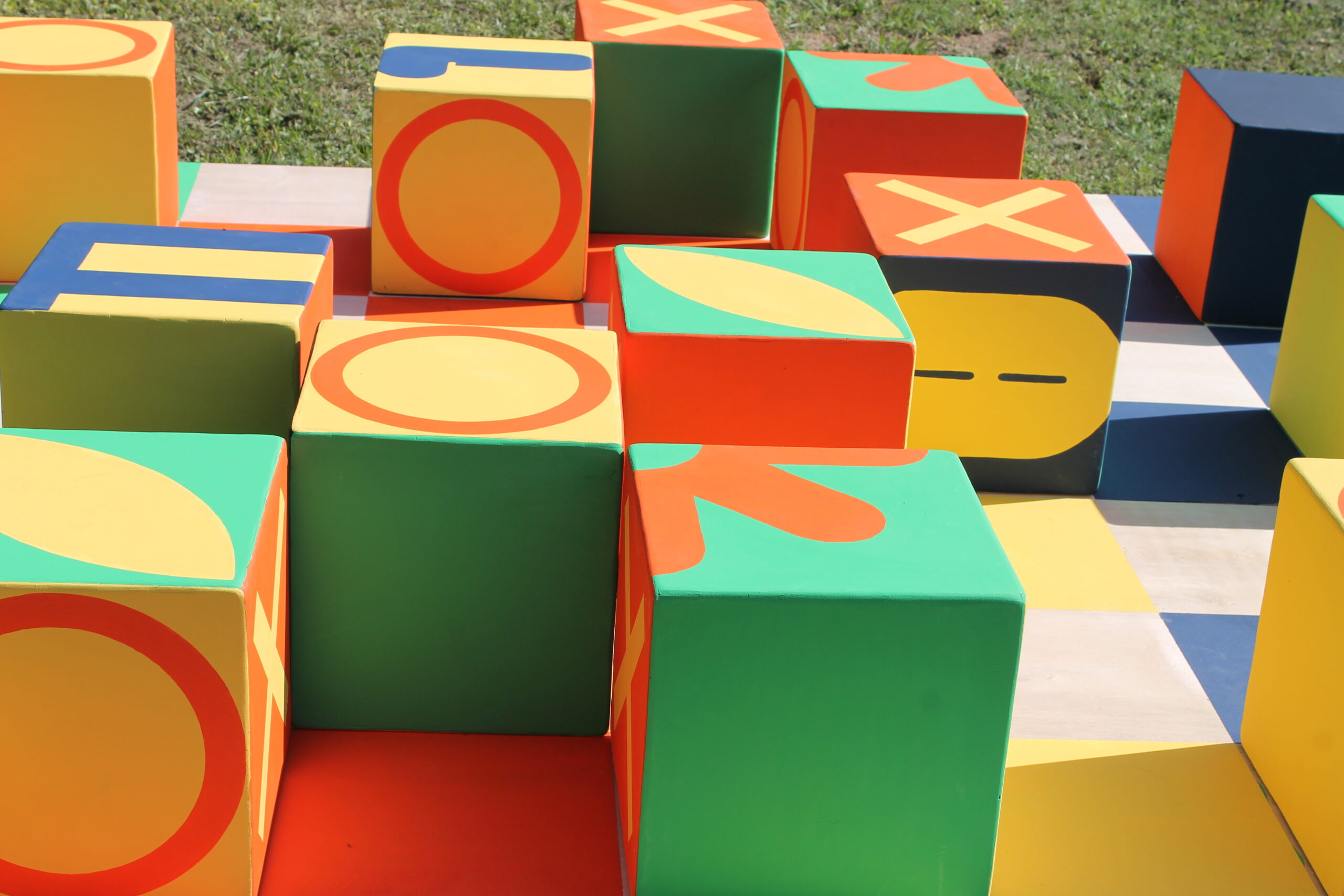
Play is an installation that celebrates the potential for providing activities for children on the Columbia Tap Trail and the community that has been at the heart of it throughout. This whimsical installation encourages children to interact with the space in ways that are enriching, imaginative, and fun. These vibrant, durable building blocks can be easily assembled and rearranged, creating an ever-changing play space.
The On Tap event and installations supported the broader community effort to enhance the Columbia Tap Trail while celebrating its rich history and cultural heritage. Serving as a catalyst, the event marked a small but meaningful step toward continued advocacy for trail improvements and public investment.
Recycled materials, such as bicycle wheels, were used whenever possible. As a class, we visited the Houston Recycle Warehouse, and students returned regularly as material needs emerged.
For us as students, the project offered an immersive introduction to the power of site-specific design and storytelling—tools for uncovering hidden histories, creating inclusive public spaces, expanding access to recreation and nature, and bridging divides between neighborhoods. Along the way, we honed essential skills in site-specific research, proposal development, design, fabrication, installation, and public engagement within the built environment.
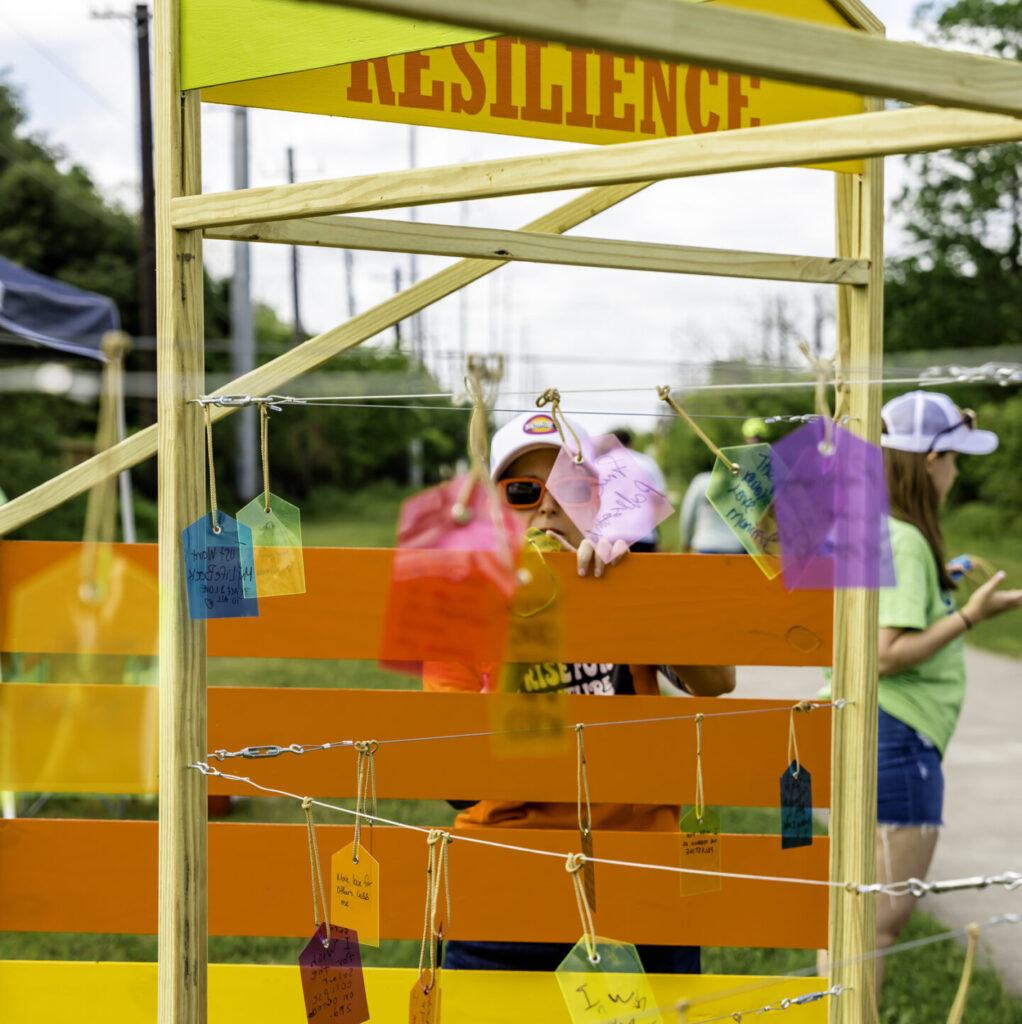
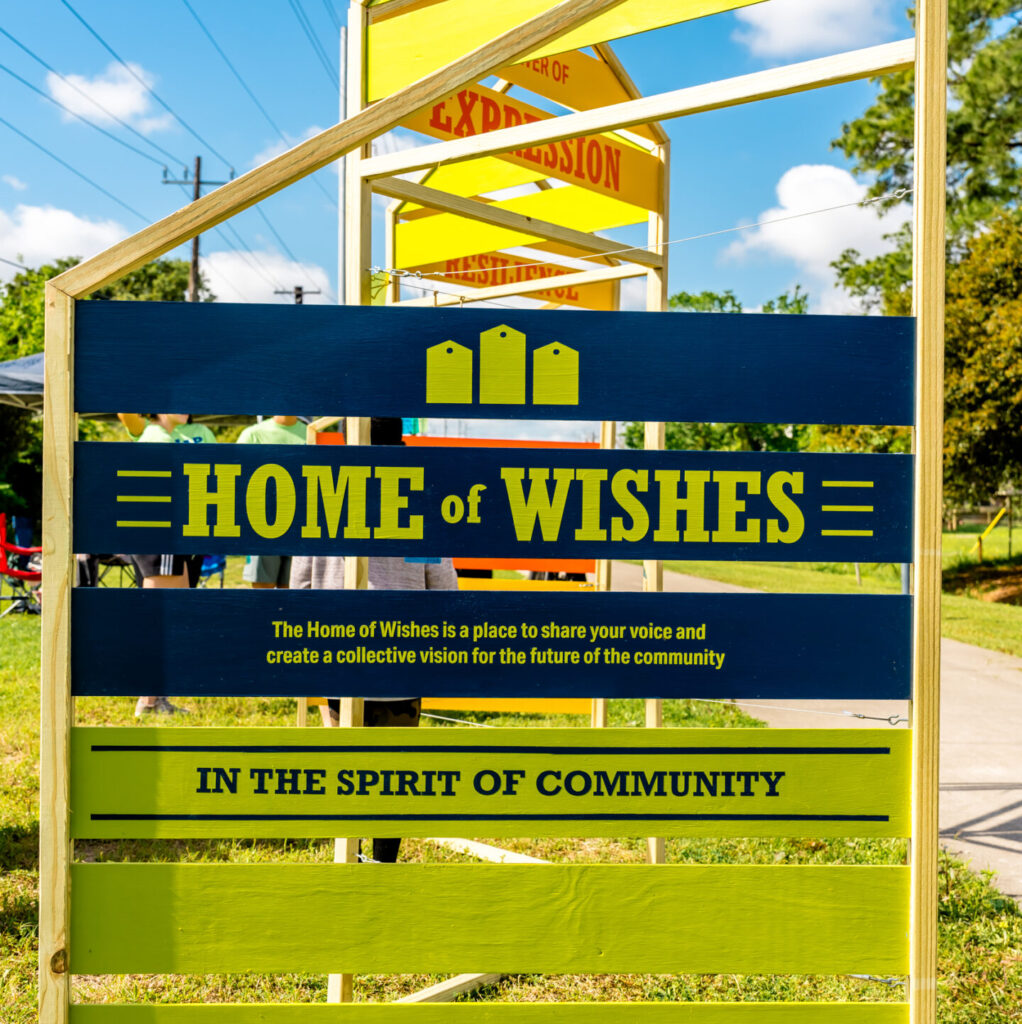
Participants write their hopes for the trail on mini-acrylic tags shaped like houses on the Home of Wishes.